How to Find Your Decorating Style When You Like Everything
Learn how to find your decorating style when you like everything by building a simple 1-page style profile, so your home feels like you.
To find your decorating style when you like everything, gather what you love in one place, consider your current home and what has to stay, and capture your style on a single page you can use to decorate any room in your home.
That one page is your style profile, and it is the filter that turns hundreds of maybes into a handful of clear yeses. The real problem is rarely that you lack knowledge. It is that you have too many influences and no filter, so every pretty room feels like a maybe.
Your style is already in there, and a 1-page style profile is simply how you get it out of your head and onto paper where it can help you.
Key Takeaways
Table of contents
- How do you find your decorating style when you like everything?
- Why is it so hard to pin down your decorating style?
- What is a 1-page style profile?
- What goes on your 1-page style profile?
- What is the difference between liking a style and wanting to live in it?
- What if your decorating style is a mix of several styles?
- How do you use your style profile without chasing every trend?
- Frequently Asked Questions
- Final Thoughts on Finding a Decorating Style That Feels Like You
Disclaimer: This post contains affiliate links. To read more, check out our disclosure policy. As an Amazon Associate, I earn from qualifying purchases
How do you find your decorating style when you like everything?
You find your decorating style by collecting the spaces you are drawn to, studying them for what repeats, and writing what you find onto a 1-page style profile. Liking everything is not a flaw. It just means you have a wide eye and no filter yet.
The filter is the whole game. Once your style lives on one page, the hundreds of options shrink to the few that fit, and decorating stops feeling like guessing. That single page becomes the thing you check before you buy a rug, paint a wall, or say yes to a trend.
Start with the truth that your style already exists. You have been showing it to yourself every time you save a room. The work is noticing the pattern and getting it onto paper, not inventing a personality.
Why is it so hard to pin down your decorating style?
Disclaimer: This post contains affiliate links. To read more, check out our disclosure policy. As an Amazon Associate, I earn from qualifying purchases
It is hard to pin down your style because you are surrounded by more inspiration than any person could filter on instinct alone. Home decor is the most-searched category on Pinterest, with over 23 billion Pins to scroll (SQ Magazine, 2026), and nearly 7 in 10 Pinterest users are women (April 2024). That is a beautiful, endless, overwhelming buffet.
When everything is available, nothing feels decided. That is also why so many women feel behind in their own homes. In one survey, 69% of homeowners said they were embarrassed to have people over because of their aesthetic choices, and 75% admitted past choices had aged poorly (Slickdeals/OnePoll, 2023).
None of that means you have bad taste. It means you have been making style decisions without a method, the same way you would feel lost picking dinner from a 200-page menu. A 1-page style profile is the method that closes the menu for you.
What is a 1-page style profile?
A 1-page style profile is a single sheet that names your style in plain terms you can actually decorate from, so every future decision runs through one filter instead of your whole Pinterest board. It is the first step of the Confident Decorating® method, the “Create your style profile” step, and it exists to turn scattered taste into a usable tool.
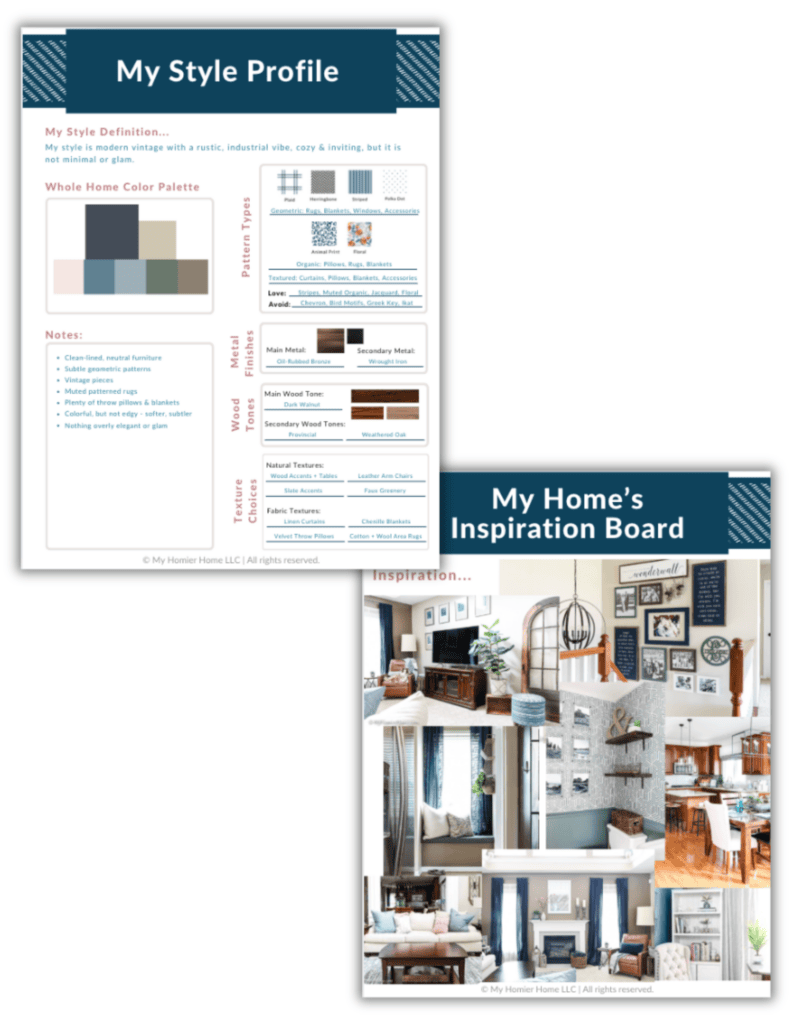
Here is why one page beats a hundred saved rooms. A pile of inspiration tells you what catches your eye. A profile tells you what to do. You fill it in once, then reuse it in every room, every season, and every shopping trip, which is exactly how a home starts to feel intentional instead of assembled. If you want to see where this fits in the bigger picture, it is the starting point in 3 Simple Steps to Creating a Home Decorating Plan.
What goes on your 1-page style profile?
Five things go on your 1-page style profile, and each one is a thread you pull straight from the rooms you already love. Start by gathering 15 to 20 rooms you genuinely love in one place, from Pinterest, magazines, screenshots, or photos of homes you have visited. Quantity first, judgment later. Then look only for what repeats, and write it into these five fields:
- Your named style. The one or two words that describe the overall look, usually a lead style plus a supporting one, like modern with vintage warmth or traditional with a fresh edge.
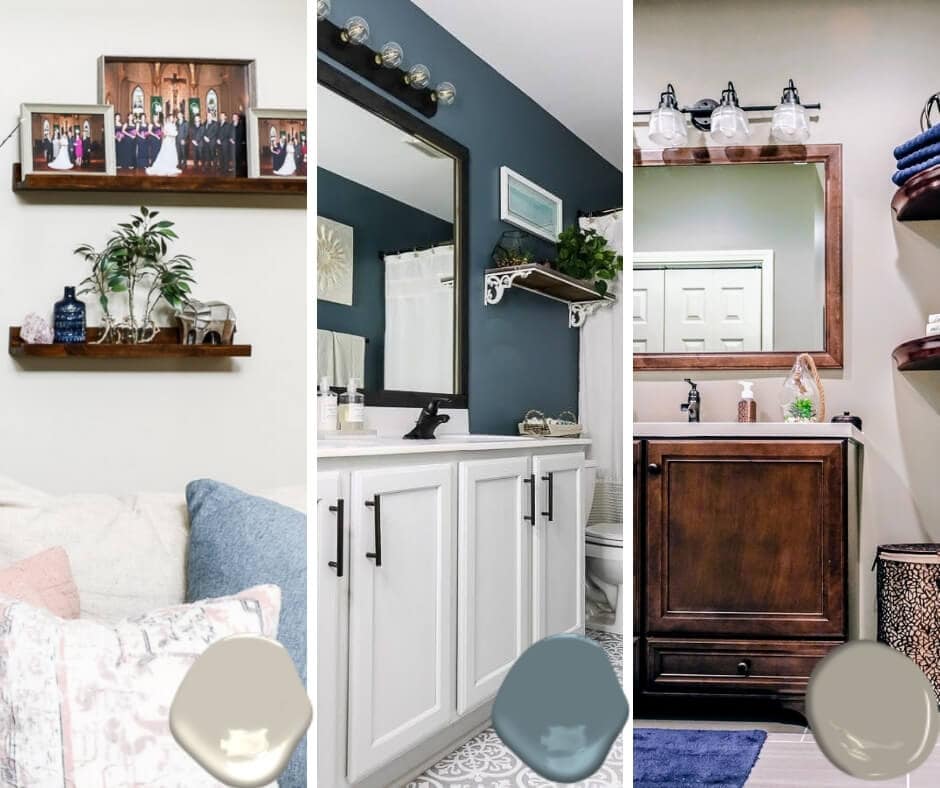
- Your color palette. The four to six colors that show up again and again and flow from room to room. Color is often the loudest thread, so if yours is hard to read, everything you must know about color in your home helps you see it.
- Your wood tones and metal finishes. Light oak or rich walnut, brass or matte black, so your hard finishes agree with each other instead of fighting.
- Your patterns and textures. The scale of pattern and the mix of texture that feels like you, from calm and smooth to layered and collected.
- The feeling and function. How you want each room to feel when you walk in, and how it actually needs to work for your real life.
A mood board makes this real before you spend a dollar, and my walk-through on how to create a mood board for your room makeover shows you how to build one without any fancy tools. Seeing your five fields side by side is what proves your page holds together.
What is the difference between liking a style and wanting to live in it?
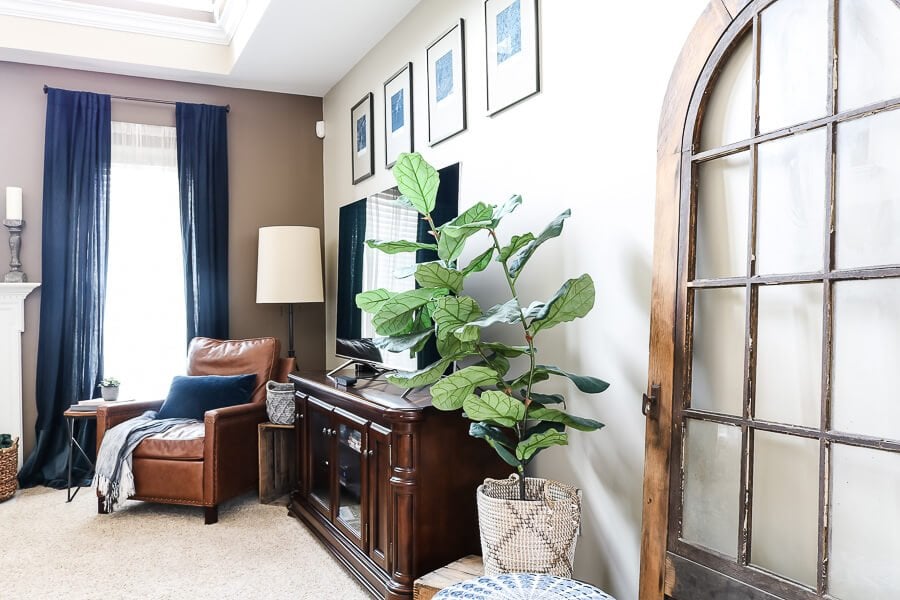
The difference is daily life, and your style profile is where that difference gets decided. You can admire an all-white minimalist room and know in your bones it would stress you out with kids, a dog, and real life happening in it. Liking a look on a screen and wanting to live inside it every day are two different things.
This is the most important filter when you like everything, so run each style you are drawn to through three questions before it earns a spot on your page. Does it fit how my family actually lives? Will I still love it in five years? Does it make me feel calmer when I picture being in it? A style that fails the daily-life test is a style to admire, not adopt.
Getting this right matters more than it looks. Choosing without a filter is expensive, with 78% of homeowners going over budget on their last project (U.S. News, 2024), much of it from buying, second-guessing, and rebuying. Your one page is the cheapest insurance against that cycle.
What if your decorating style is a mix of several styles?
A mix is not a problem, it is the most common style there is, and it belongs right at the top of your profile as your named style. Most real homes are a thoughtful blend rather than one textbook label. Modern with vintage warmth, traditional with a fresh edge, cozy with clean lines. The blend is what makes a home feel personal instead of staged.

The trick to mixing well is to let one style lead and the others support, usually a 70/30 split. One style sets the foundation, and the second adds character through smaller touches. Write that ratio onto your page so you never lose track of which one leads.
When you anchor the mix with a shared color or finish, even very different pieces start to feel like they belong together. That shared thread is exactly what your color palette and finish fields on the profile protect, and it is also why 70% of renters say it matters that their space reflects their personal style (Duck brand survey, 2024). A cohesive thread is how your style reads as yours.
Related: How to Create a Whole Home Color Scheme
How do you use your style profile without chasing every trend?
You use your style profile by treating it as the yes-or-no filter for every purchase, which keeps trends as optional seasonings instead of the main dish. A trend you love can show up in a throw pillow or a pumpkin, not your sofa or your wall color. Keep the big, expensive pieces anchored in the style, colors, and finishes already written on your page.
This is the move that keeps your home from feeling dated next year. When the permanent things match your profile, you can play with trends cheaply and swap them out guilt-free. Your style stays steady underneath because it lives on paper, not on this season’s algorithm.
It also calms the pressure to keep up. You do not owe Pinterest a redesign every season. You owe yourself a home that feels like you the moment you walk in the door, and one page is enough to hold that.
Helpful Tools
- Cohesive Home Starter Guide … the quick, guided version that walks you through your feel, colors, patterns, finishes, and textures so you finish a complete 1-page style profile.
- Create Your Style Profile Workshop Bundle … three workshops that walk you through defining your style, mixing styles cohesively, and building a one-page style profile you can decorate from again and again.
Frequently Asked Questions
A 1-page style profile is a single sheet that names your style, color palette, wood tones and finishes, patterns and textures, and the feeling you want your home to have. It is the first step of the Confident Decorating® method, and you use it as the filter for every decorating decision.
Save 15 to 20 rooms you love, then look only for what repeats across them, like color, wood tone, or mood. Write those repeating threads onto a 1-page style profile, and that page becomes your style.
Yes, and most people do. Let one style lead at about 70% and a second support at 30%, anchored by a shared color or finish, then write that mix at the top of your style profile so it stays intentional.
Anchor your big, expensive pieces in the style and colors on your profile, and use trends only on small, swappable items like pillows and decor. That keeps your home feeling like you without costly do-overs.
Final Thoughts on Finding a Decorating Style That Feels Like You
Finding your style is not about picking the right label, it is about noticing what you have quietly loved all along and giving it one page to live on. Start this week by gathering a folder of rooms you love and looking for the thread. When you want a guided, step-by-step way to fill in every field and finish your page, the Cohesive Home Starter Guide walks you through building your own 1-page style profile so you can finally stop second-guessing.
About the Author

Christin Cieslarski is the founder of My Homier Home and the creator of the Confident Decorating® method. She helps busy women go from stuck and second-guessing to calm, confident, and actually making progress on their homes… one steady step at a time.
Last Updated:
More Decorating Help
If you enjoyed this post, make sure to pin the image below for reference later!