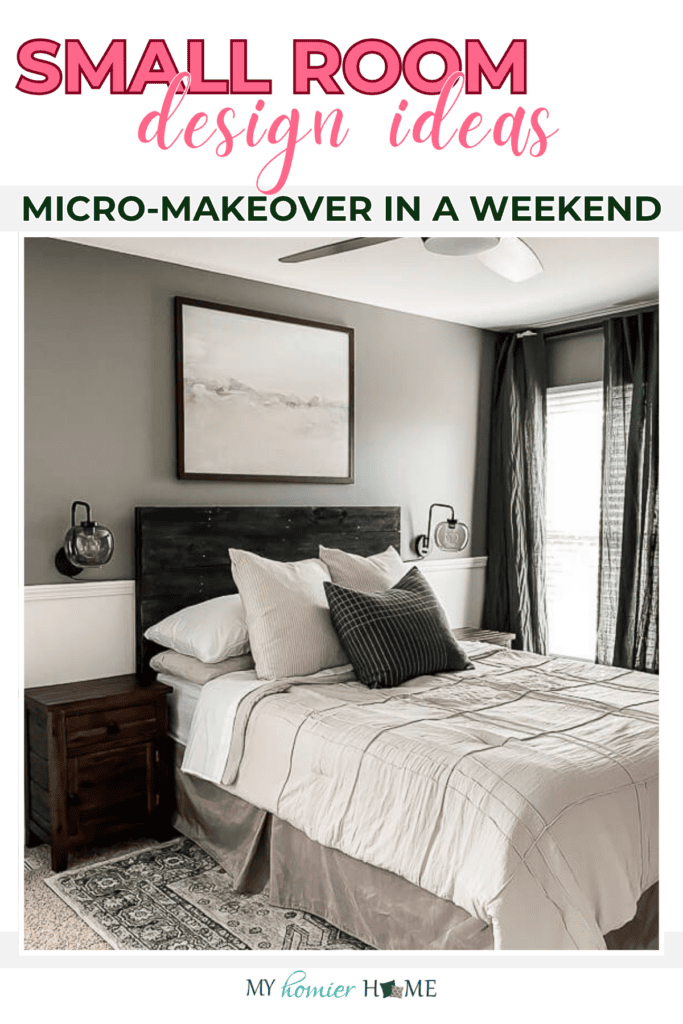
Small Room Design Ideas: How to Refresh a Room in a Weekend
Small room design ideas to refresh a tight space in a weekend using what you already own, plus simple layout tips that reduce decorating overwhelm.
The best small room design ideas start with what you already own, not another shopping trip. Pull everything out, keep only what fits the room’s real job, then anchor the layout around one focal point and let everything breathe with a little negative space. Most rooms can get a true refresh in a single weekend when you stop chasing a Pinterest-perfect look and work with the pieces in your home right now. You do not need a bigger room. You need a clearer plan for the one you have.
Key Takeaways
Table of contents
- What Counts as a Small Room, and Why Does It Feel So Hard to Decorate?
- How Do You Refresh a Small Room in One Weekend?
- What Are the Best Small Room Design Ideas Using What You Already Have?
- How Do You Choose What Stays in a Small Room?
- What Small Space Decorating Mistakes Should You Avoid?
- How Do You Make a Small Room Feel Bigger Without Renovating?
- Frequently Asked Questions
- Final Thoughts on Small Room Design
Disclaimer: This post contains affiliate links. To read more, check out our disclosure policy. As an Amazon Associate, I earn from qualifying purchases
What Counts as a Small Room, and Why Does It Feel So Hard to Decorate?
A small room is any space where furniture, walkways, and storage all compete for the same few feet. That includes most secondary bedrooms, which average around 120 square feet, plus home offices, nurseries, and tight living rooms in older homes.
So if your room feels small, you are not imagining it and you are not behind. The average bedroom in American homes lands near 132 square feet, and homes built before the 1980s tend to have even smaller, more uniform rooms. Most people are decorating compact spaces.
The hard part usually is not the size. It is the lack of a plan. When every choice feels heavy, you freeze, and the room stays half-finished. Naming the room’s real job is the first step that makes the rest feel lighter.
How Do You Refresh a Small Room in One Weekend?
Disclaimer: This post contains affiliate links. To read more, check out our disclosure policy. As an Amazon Associate, I earn from qualifying purchases
You refresh a small room in a weekend by working in three short passes: empty, edit, and restyle. Pull everything off the surfaces and out of the corners on Saturday morning so you can see the actual room. An empty space tells you the truth about scale and light.
Then edit. Keep only the pieces that fit the room’s main purpose and the scale of the space. Set aside anything oversized or unrelated. Saturday afternoon is for placing your largest piece first, usually the bed, sofa, or desk, against the longest uninterrupted wall.
Sunday is for restyling with what is left: pillows, lamps, art, a tray, a plant. Stand back often. A weekend works because you are arranging, not renovating, and arranging is the part that actually changes how a room feels.
Related: Step-by-step decorating help on the blog
What Are the Best Small Room Design Ideas Using What You Already Have?
The best small room design ideas cost nothing because they use what is already in your home. Shop your other rooms first. A lamp from the guest room, a basket from the entry, or art from the hallway can completely change a space without a single purchase.
Try these moves this weekend:
- Float or angle one piece. Pulling a bed or chair a few inches off the wall can make a tight room read as intentional instead of crammed.
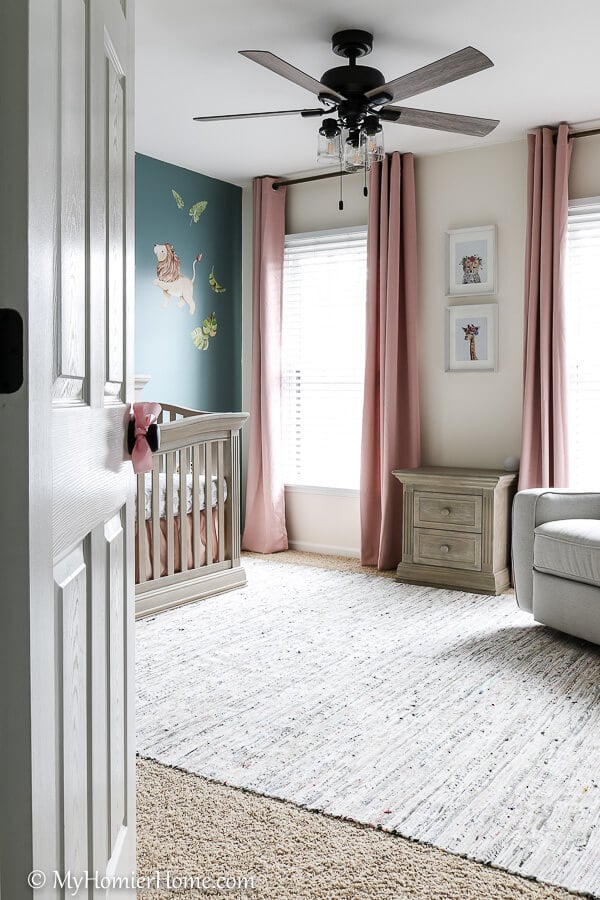
- Go vertical. Draw the eye up with tall curtains hung close to the ceiling and one piece of art placed higher than feels natural. (read: How to Hang Curtains the Right Way the First Time)
- Create one clear focal point. Pick the bed, a window, or a single large piece of art, and let everything else support it.
- Edit your accessories. Group small items in odd numbers on a tray so surfaces feel styled, not scattered.
- Add one mirror. A mirror across from a window bounces light and makes square footage feel larger.
This matters because the home decor market keeps pushing more stuff, yet 41% of homeowners bought large furniture in 2024 according to the 2025 Houzz & Home study, and big pieces are exactly what overwhelm a small room. Working with what you own keeps the scale right and the budget at zero.
Related: See real room makeovers, before and afters
How Do You Choose What Stays in a Small Room?
Choose what stays by asking one question of every piece: does this earn its space? If an item does not serve the room’s main job or fit its scale, it belongs somewhere else. This simple filter is the whole selection framework for a small space.
Run each piece through three checks. First, function: does it support how you actually use the room? Second, scale: is it sized for the space, or is it a hand-me-down that swallows the floor? Third, feeling: does it make the room calmer, or add visual noise?
Editing is design, not just tidying. The well-known UCLA Center on Everyday Lives of Families study found that women, especially mothers, who saw their homes as cluttered showed unhealthier cortisol patterns through the day. In a small room, every extra object is felt more, so removing the wrong pieces does as much for the space as adding the right ones.
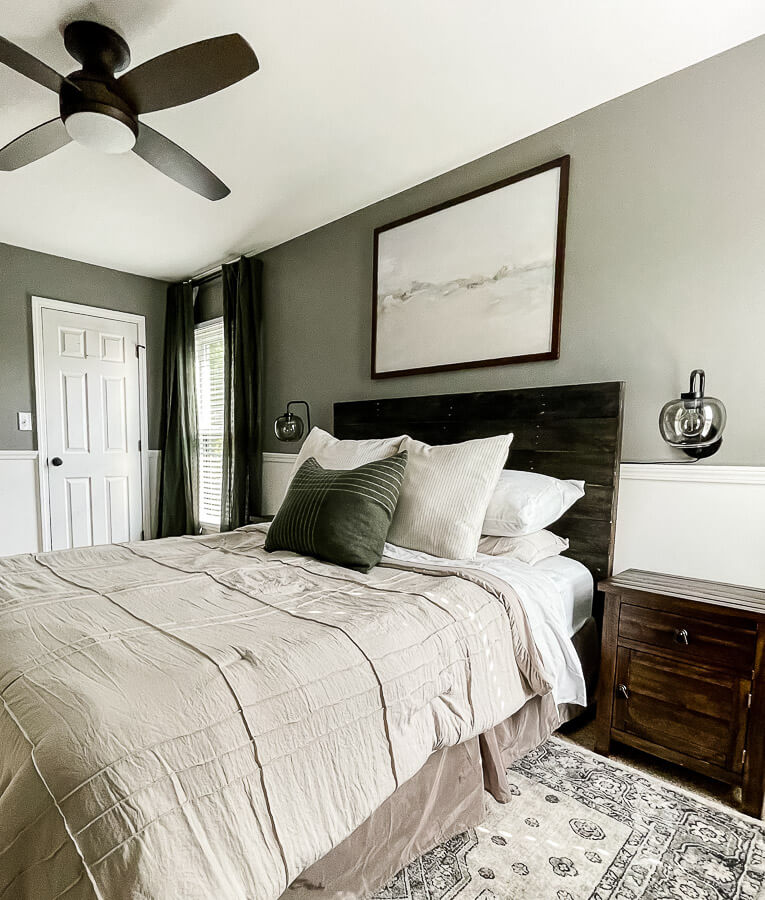
What Small Space Decorating Mistakes Should You Avoid?
The most common small space mistakes are oversized furniture, too many tiny accessories, and pushing every piece flat against the walls. Each one makes a compact room feel smaller and busier than it is.
Watch for these in particular:
- Scale mismatches. A deep sectional in a tight living room eats the walkways. Choose pieces sized for the room you have.
- Accessory overload. A dozen small trinkets read as clutter. A few intentional pieces read as styled.
- All-perimeter layouts. Lining every wall leaves a dead center and a cramped edge. Let one piece come forward.
- Ignoring storage. In one survey reported by Sustainable Business Magazine, 57% of homeowners said they need better storage and layout solutions, and 46% struggle with awkward corners. Closed storage hides the visual noise that makes small rooms feel chaotic.
Avoiding these is often more powerful than any new purchase, because you are removing the things that fight the room instead of adding more to manage.
How Do You Make a Small Room Feel Bigger Without Renovating?
You make a small room feel bigger by managing light, height, and sightlines, none of which require construction. Keep window areas clear so natural light reaches the back of the room, and hang curtains high and wide to imply taller walls.
Choose a quieter, more cohesive palette so the eye glides instead of stopping at every color change. Lift a few items off the floor, like a wall-mounted light or floating shelf, to show more open floor and trick the eye into reading more space.
Interest in this is real and growing. The same research noted searches for “small space design” had roughly doubled, and homeowner appetite for smart small-space solutions keeps climbing. The goal is not to fake a mansion. It is to help your real room breathe.
Helpful Tools
- Room Makeover Budget Buddy … Map what a weekend refresh will actually cost so you can plan around what you already own and only spend where it counts.
- Cozy Bedroom Refresh Workshop … A simple, follow-along plan for turning a small bedroom into a calm retreat without a full renovation.
Frequently Asked Questions
No room is too small to decorate. Even a 70 to 80 square foot space can feel finished when you keep furniture to scale, choose one focal point, and use vertical space for storage and art.
Yes, if you are refreshing rather than renovating. Emptying, editing, and restyling with pieces you own is realistic in two days. Structural changes like painting or new furniture take longer.
Empty it. Clearing surfaces and corners lets you see the room’s true scale and light before you make a single decision, which prevents the second-guessing that stalls most projects.
Yes. A mirror placed across from a window reflects natural light and adds visual depth, which makes a small room read as larger without changing the footprint.
Shop your own home first. Move lamps, art, baskets, and textiles between rooms, then spend only on the one or two pieces that fill a real gap.
Final Thoughts on Small Room Design
Your small room is not the problem, and neither are you. A tight space just asks for a clearer plan and a little editing, and both are completely learnable. One weekend, one focal point, and the pieces you already own can take a room from cramped to calm. You do not have to finish everything at once. Pick one room, give it a single weekend, and let that small win build your confidence for the next space. If you want a step-by-step way to stop second-guessing every decorating decision, come join us inside the Calm & Confident Decorating community.
About the Author

Christin Cieslarski is the founder of My Homier Home and the creator of the Confident Decorating® method. She helps busy women go from stuck and second-guessing to calm, confident, and actually making progress on their homes… one steady step at a time.
Last Updated:
More Decorating Help
If you enjoyed this post, make sure to pin the image below for reference later!